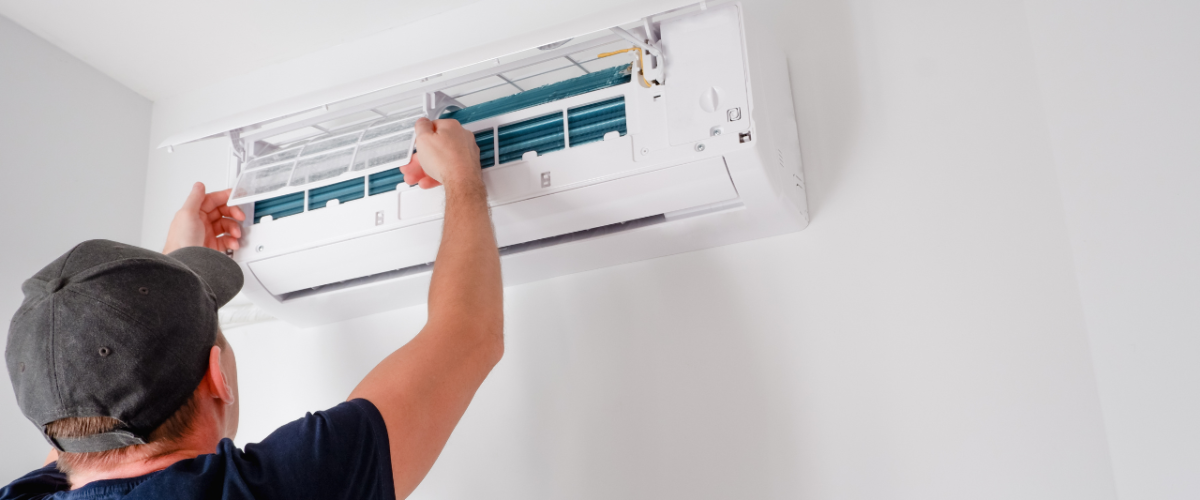
Selecting the ideal Heating, Ventilation, and Air Conditioning (HVAC) system is crucial for maintaining comfort and energy efficiency in your home. This decision influences your utility bills, indoor air quality, and overall comfort level. With a variety of HVAC systems available, each tailored to different needs, choosing the right one for your specific situation is essential. This overview will help you understand the types of HVAC systems, key considerations, and features that enhance system performance.
HVAC System Types
There are several HVAC systems available, each designed to meet specific requirements:
Traditional split systems are prevalent in many homes due to their efficient temperature control across entire households. These systems consist of an outdoor unit and an indoor unit connected via ductwork, making them ideal for consistent climate control throughout various rooms. They are particularly effective in houses with existing ductwork infrastructure, providing a balanced distribution of heating and cooling.
Ductless mini-split systems and heat pumps offer versatile solutions for homes with specific climate control needs. Ductless mini-splits, which feature an outdoor compressor and one or more indoor air handling units, are perfect for homes without ductwork. They provide flexible, room-by-room temperature control and are recognized for their energy efficiency. On the other hand, heat pumps work by transferring heat between the indoor and outdoor air, available in both air-source and geothermal types. Geothermal heat pumps leverage the stable temperature of the ground to offer substantial energy savings and are an excellent choice for environmentally conscious homeowners.
Hybrid systems and packaged HVAC systems cater to a range of residential environments and preferences. Hybrid systems blend the benefits of heat pumps with the robustness of traditional gas or electric furnaces, intelligently switching between energy sources depending on the ambient temperature. This makes them highly efficient in varying climatic conditions. Conversely, packaged HVAC systems are designed for space efficiency and are commonly installed outdoors. These compact units house all essential components in one place, making them a convenient option for smaller homes or areas with limited indoor space.
Key Considerations When Choosing an HVAC System
When choosing an HVAC system, several key factors must be considered to ensure you get a model that operates efficiently and cost-effectively. It’s crucial to select a system that is properly sized for your home. An HVAC system that is either too large or too small can lead to inefficiency and increased wear and tear, which could shorten the lifespan of the system.
Climate is another significant consideration; the system you select should be well-suited to the typical weather conditions of your area. For example, in colder regions, you’ll need a robust heating system, whereas in warmer climates, a system with efficient cooling capabilities will be more important. Additionally, consider the energy efficiency of the system. Units with higher SEER (Seasonal Energy Efficiency Ratio) and AFUE (Annual Fuel Utilization Efficiency) ratings may cost more upfront but can lead to substantial savings on your utility bills through more efficient operation over time.
Assessing the condition of any existing ductwork is also important. Damaged or leaky ducts can decrease the efficiency of your HVAC system by up to 30%, impacting your comfort and increasing your energy bills. Depending on the state of your existing ductwork, it might be more cost-effective to repair it or to opt for a ductless system. Lastly, consider zoning systems, especially if you have a large home or varying temperature needs in different areas. Zoning systems allow for the independent control of temperatures in different rooms, enhancing comfort and improving overall energy efficiency.
Cost Factors and Enhanced Features
Investment and Operational Costs:
- Initial Costs: The type of system and complexity of installation influence the upfront cost. Additional factors like ductwork modification can also affect the price.
- Operational Costs: Choosing a system with high energy efficiency typically results in lower energy bills over time.
- Maintenance Costs: Regular maintenance is essential for system longevity and efficiency, including tasks like filter replacement and seasonal inspections.
Advanced Features for Comfort and Efficiency:
- Smart Thermostats: These devices automate temperature settings based on your habits and preferences, enhancing comfort and reducing energy usage.
- Variable-Speed Motors: These provide precise control over airflow, improving comfort levels and overall system efficiency.
- Air Quality Improvements: Integrating air purifiers, humidifiers, or dehumidifiers can greatly improve indoor air quality, making your home more comfortable and healthier.
Installation and Maintenance Tips
Professional installation is crucial for the successful operation and longevity of your HVAC system. It’s essential to have your system installed by a certified professional to ensure it runs efficiently and lasts as long as possible. Additionally, routine system checks play a vital role in maintaining the health of your HVAC system. Regular maintenance helps prevent common problems and extends the system’s lifespan by identifying and addressing any significant changes in energy usage that could signal underlying issues.
Understanding your specific needs and carefully evaluating different types of systems, their energy efficiency, and available features are crucial steps in selecting an HVAC system. Choosing the right system ensures that your home remains comfortable and energy-efficient over the years. By focusing on professional installation and ongoing maintenance, you can maximize the performance of your HVAC system and significantly extend its useful life.
Conclusion
Selecting the right HVAC system is a critical decision that impacts the comfort, energy efficiency, and long-term maintenance costs of your home. By considering factors such as system size, climate suitability, energy efficiency, ductwork condition, and zoning capabilities, you can make an informed choice that meets your specific needs. Ensuring that your HVAC system is installed by a certified professional and committing to regular maintenance are essential steps to optimize performance and extend the lifespan of the system. With the right approach and attention to detail, you can enjoy a comfortable and energy-efficient home environment for years to come.